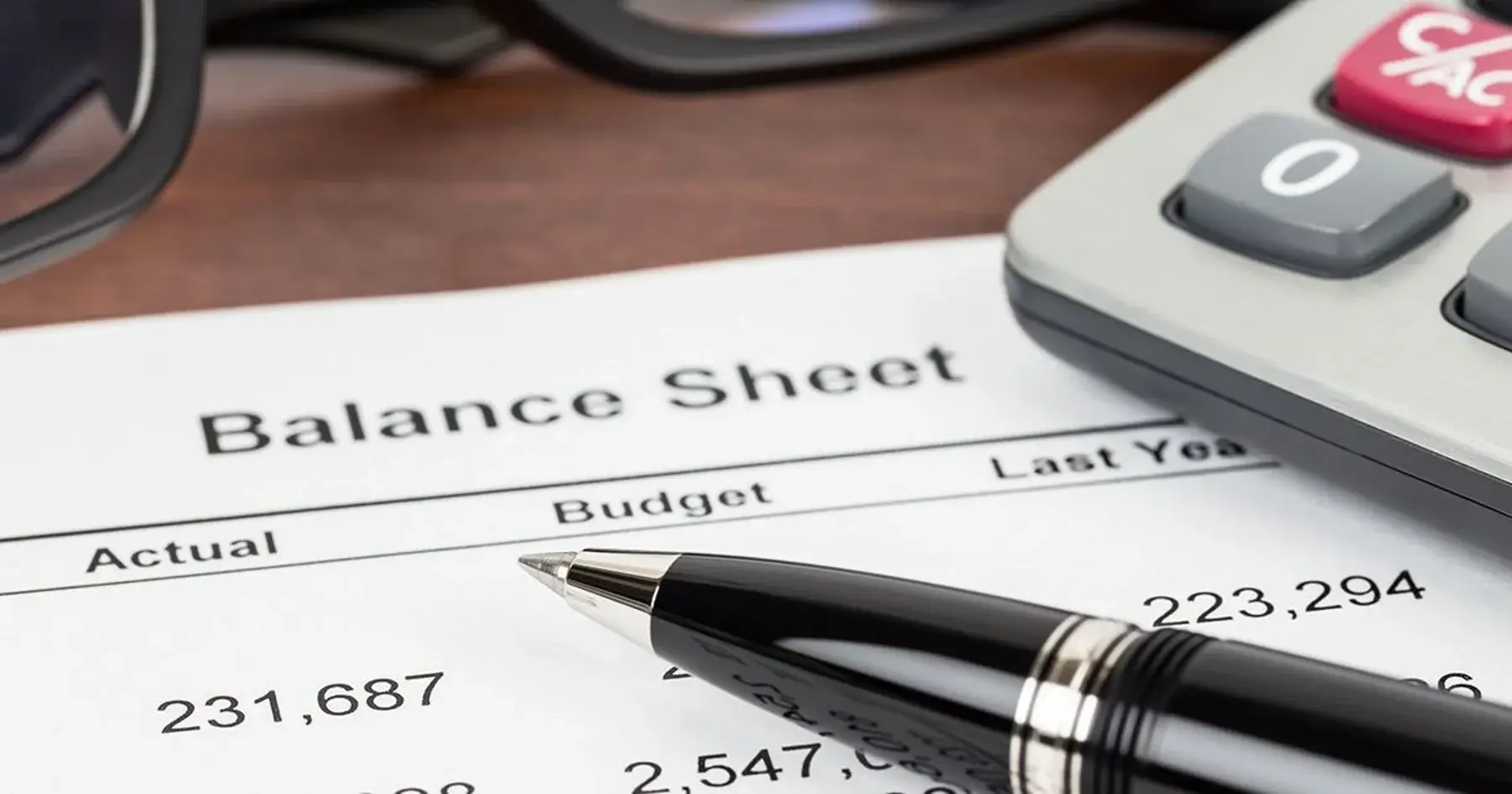
A balance sheet might seem like just another financial document your accountant asks for, but it tells a powerful story about your business. Whether you run a one-person consulting firm or a growing service-based company, understanding your balance sheet gives you critical insight into your financial health.
In this article, we’ll break down what a balance sheet is, why it matters, and how to read one—no accounting degree required. You’ll also see how this simple tool can support better decision-making and help you build a stronger, more sustainable business.
What Is a Balance Sheet?
A balance sheet is a snapshot of your business’s financial position at a specific point in time. It answers the question: What do you own, what do you owe, and what’s left over?
The Basic Formula:
Assets = Liabilities + Equity
Let’s break it down:
- Assets: Everything the business owns that has value (cash, equipment, inventory, accounts receivable).
- Liabilities: What the business owes to others (loans, unpaid bills, taxes owed).
- Equity: The owner’s stake in the business (initial investment + profits retained).
This equation must always balance—hence the name!
Why It Matters: Big Picture Clarity
Your income statement tells you how much profit you made. Your cash flow statement tells you where your money went. But your balance sheet tells you what you actually have at this moment.
Here’s why that matters:
- It shows whether your business is financially stable.
- It highlights risks, like too much debt or low cash reserves.
- It can help you qualify for financing.
- It gives investors and lenders confidence in your operations.
Think of it like a health checkup for your business. Your revenue might be growing, but if your debts are ballooning or your cash is running out, the balance sheet will sound the alarm.
Real-Life Analogy: The Personal Net Worth Statement
If you’ve ever calculated your personal net worth, you’ve basically built a balance sheet:
- Assets: House, car, savings, investments.
- Liabilities: Mortgage, car loan, credit cards.
- Net Worth = What you own – What you owe.
Your business works the same way. A balance sheet gives you the business version of your net worth.
The Three Sections of a Balance Sheet
1. Assets
Assets are usually listed in order of liquidity (how quickly they can be turned into cash):
Current Assets (expected to be used or turned into cash within 12 months):
- Cash
- Accounts receivable
- Inventory
Non-Current Assets (long-term):
- Equipment
- Vehicles
- Property
2. Liabilities
These are the debts and obligations of the business.
Current Liabilities (due within 12 months):
- Accounts payable
- Short-term loans
- Taxes payable
Long-Term Liabilities (due after a year):
Bank loans
Equipment financing
3. Equity
Equity shows what the business owes to its owners:
- Owner’s capital (money invested)
- Retained earnings (profits reinvested)
- Draws or dividends (owner withdrawals)
How to Read a Balance Sheet
Start with a simple question: Do your assets cover your liabilities?
A healthy business will have more assets than liabilities. But even if they’re close, what really matters is:
- Are your current assets greater than your current liabilities? (This shows short-term financial health.)
- Is your equity growing over time? (This shows your business is building value.)
Key Ratios to Consider
You don’t need to memorize these, but they can help:
- Current Ratio = Current Assets / Current Liabilities
- Aim for 1.5 or higher (shows you can cover short-term obligations).
- Debt-to-Equity Ratio = Total Liabilities / Equity
- Lower is better (shows you’re not over-leveraged).
- Return on Equity (ROE) = Net Income / Equity
- Measures how efficiently your business uses capital.
Common Mistakes to Avoid
- Ignoring the balance sheet: Many business owners only look at their income statement and cash flow. The balance sheet is just as critical.
- Not updating regularly: A stale balance sheet doesn’t reflect your current position. Review it monthly.
- Not reconciling accounts: Make sure your bookkeeping is up to date. Garbage in = garbage out.
How Apex Can Help
If reading this makes your head spin, don’t worry—you’re not alone. At Apex Online Bookkeeping, we specialize in translating financial data into clear, useful insights. Our goal is to give business owners the clarity they need to make confident, data-driven decisions.
Want a balance sheet that actually makes sense to you?
Let us help you build systems that work. [Reach out for a discovery call today.]
Final Thoughts: Financial Clarity = Business Confidence
Your balance sheet isn’t just for your accountant or your lender. It’s for you.
Understanding your assets, liabilities, and equity gives you the power to:
- Make better financial decisions
- Set realistic goals
- Build long-term value in your business
Ready to take control of your numbers? Start by reviewing your latest balance sheet. If it doesn’t make sense, it’s time to change that.
Need help now? Book your free strategy call with Apex Online Bookkeeping and start building a business that works for you.